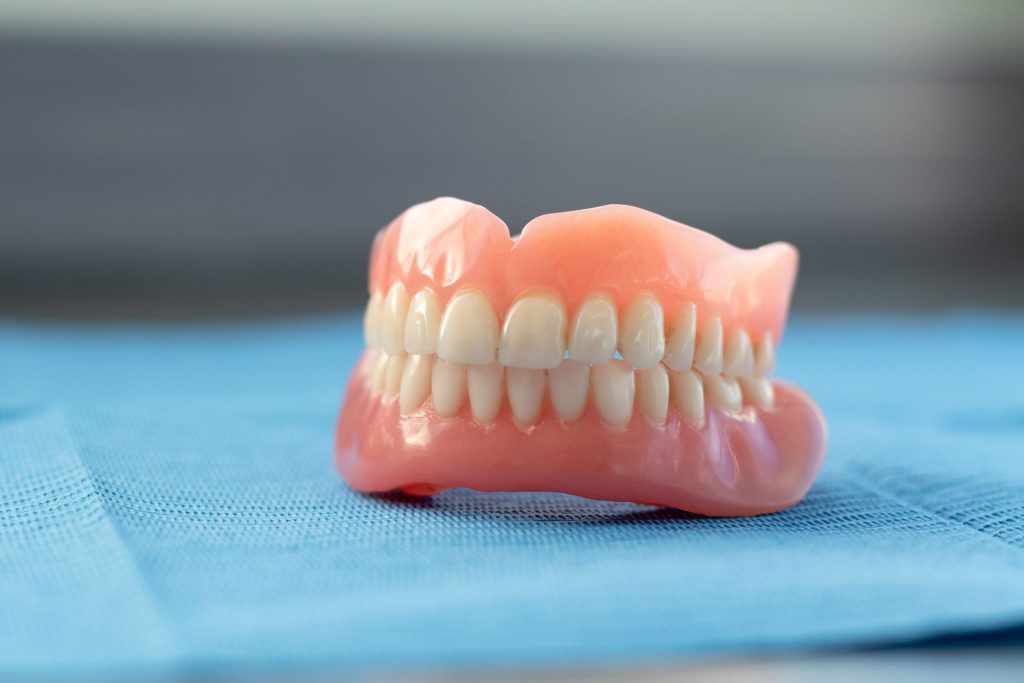
Types of Dentures
Dentures may be recommended when multiple teeth are missing or when remaining teeth can no longer be predictably restored. Options may include:
- Complete dentures for patients missing all teeth in the upper or lower arch
- Partial dentures for patients who still have some natural teeth remaining
- Implant-supported dentures for added stability and retention when appropriate
Each option is evaluated based on bone support, bite relationship, aesthetics, and functional needs.
Precision Fit and Comfort
The success of a denture depends heavily on its design, fit, and bite alignment. Poorly fitting dentures can lead to discomfort, sore spots, difficulty chewing, and accelerated bone loss.
Our approach focuses on:
- Accurate impressions and jaw relationship records
- Proper bite balance and facial support
- Natural tooth shape, size, and shade selection
- Ongoing adjustments for comfort and function
This detailed process helps ensure a more secure and comfortable result.
Transitioning to Dentures
For patients transitioning from natural teeth to dentures, careful planning is essential. This may involve phased treatment, temporary dentures, or coordination with other dental procedures to ensure a smooth and predictable transition.
We take time to explain each step of the process so patients know what to expect and feel confident in their care.
Long-Term Maintenance
Dentures require regular evaluation to maintain proper fit and function. Over time, changes in the gums and bone may require adjustments, relines, or replacement.
Routine visits help ensure:
- Continued comfort and stability
- Healthy supporting tissues
- Proper bite alignment
- Early identification of wear or changes
Schedule a Consultation
If you are missing teeth, wearing older dentures, or experiencing discomfort or instability, we invite you to contact our office for an evaluation.