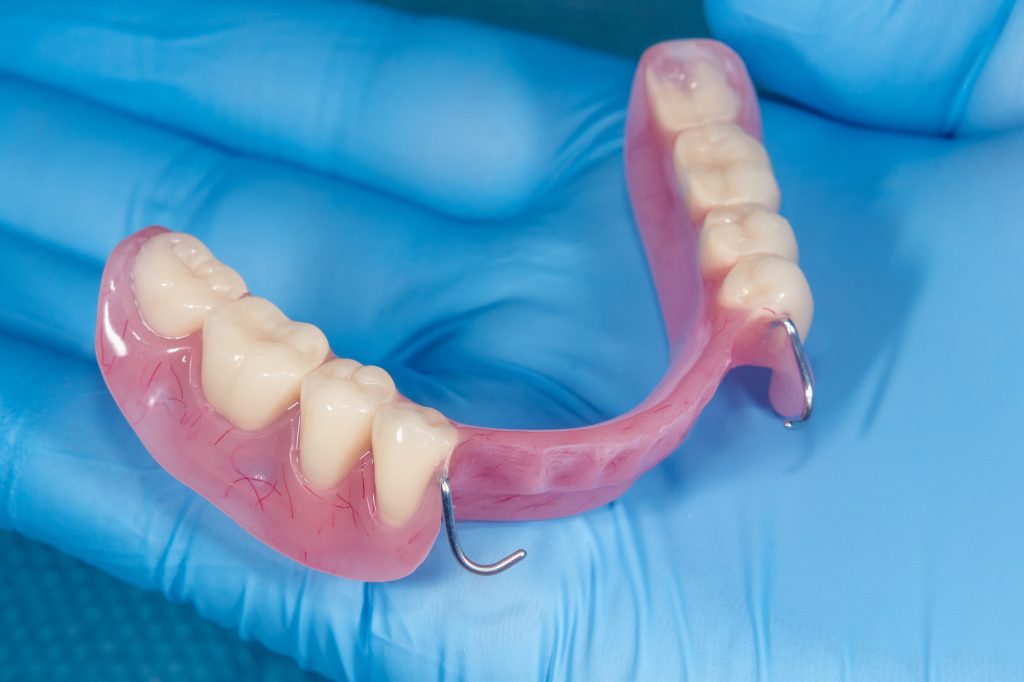

Fixed dental bridges are used to replace one or more missing teeth by anchoring a custom restoration to adjacent teeth or dental implants. A properly designed bridge restores chewing ability, speech, bite stability, and appearance while preventing surrounding teeth from shifting.
At our practice, fixed bridges are carefully planned with long-term function, comfort, and durability in mind.
A fixed bridge is a non-removable restoration that spans the space created by missing teeth. It is typically supported by:
Unlike removable appliances, fixed bridges are permanently secured and function similarly to natural teeth.
Successful bridgework depends on more than replacing missing teeth. Proper design, bite alignment, and support are essential to prevent stress on the supporting teeth and surrounding structures.
Each bridge is planned with attention to:
This approach helps reduce the risk of loosening, fracture, or bite discomfort over time.
Fixed bridges are fabricated using durable, high-quality materials selected based on location, functional demands, and cosmetic goals. When visible, bridges are designed to closely match the color, shape, and translucency of natural teeth for a seamless appearance.
Every restoration is customized to complement the surrounding teeth and overall smile.
With proper care, fixed bridges can last many years. Good oral hygiene, routine professional cleanings, and regular evaluations are essential to maintaining the health of the supporting teeth and gums.
During ongoing care visits, bridges are carefully monitored to ensure continued stability, cleanliness, and function.
If you are missing teeth, have an existing bridge that needs evaluation, or would like to explore restorative options, we invite you to contact our office for a consultation.
Each cleaning appointment is tailored to your individual needs and may include:
For patients with a history of periodontal disease, specialized cleanings may be recommended to help control inflammation and prevent progression.
Preventive dentistry focuses on stopping problems before they require extensive treatment. This is especially important for patients with:
Preventive care may include fluoride treatments, sealants, night guards, and personalized recommendations to protect your teeth and restorations long-term.
Because our practice focuses on restorative and prosthodontic dentistry, preventive care is approached with long-term function in mind. Cleanings are performed with attention to existing dental work, bite stability, and gum health — helping ensure your restorations last as long as possible.
We work closely with each patient to determine appropriate cleaning intervals, which may be more frequent than twice a year depending on individual risk factors.
Regular cleanings are one of the most effective ways to maintain a healthy, comfortable smile and avoid more complex treatment in the future.
If it has been a while since your last visit, or if you have concerns about your gums, teeth, or existing dental work, we invite you to contact our office to schedule an appointment.